
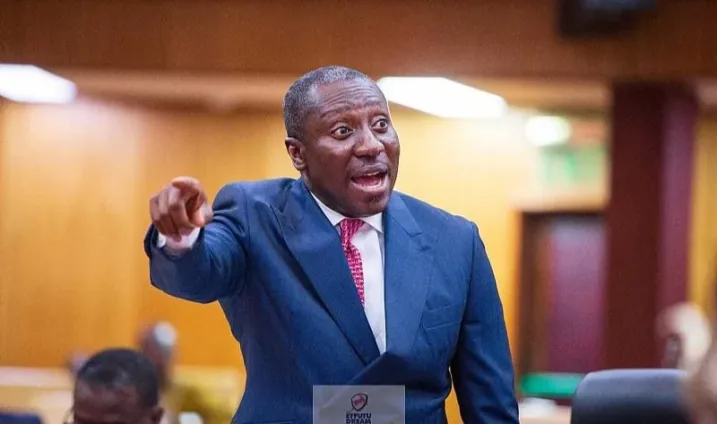

The Minority in Parliament has called for the complete and permanent removal of Mobile Money (MoMo) transfer fees, arguing that the charges place an unnecessary financial burden on millions of Ghanaians who rely on digital transactions for their daily economic activities.
The demand follows recent concerns over transaction charges imposed on wallet-to-bank transfers, which the opposition says undermine efforts to promote financial inclusion and accelerate the country’s digital transformation agenda.
Addressing the media, Minority members maintained that Mobile Money has become an essential financial service for traders, workers, students, and rural communities, making it imperative for government and regulators to protect users from excessive charges. According to them, transaction fees discourage the use of digital payment platforms and push some citizens back to cash-based transactions.
The caucus argued that at a time when government is encouraging a cash-lite economy, imposing fees on electronic transactions sends the wrong signal and could slow the adoption of digital financial services across the country.
They further urged the government and the Bank of Ghana to work closely with telecommunications companies and financial institutions to establish a sustainable framework that eliminates transfer charges without disrupting service delivery.
The Minority also stressed that removing MoMo transfer fees would provide relief to households and small businesses already grappling with rising living costs and economic pressures. They noted that many low-income earners depend heavily on Mobile Money services for receiving payments, sending remittances, and conducting everyday transactions.
The call comes amid growing public debate over digital transaction costs and follows recent regulatory interventions aimed at reviewing charges associated with Mobile Money services.
The Minority has therefore appealed to authorities to take decisive action and permanently abolish MoMo transfer fees, insisting that digital financial services should remain affordable, accessible, and beneficial to all Ghanaians.
