
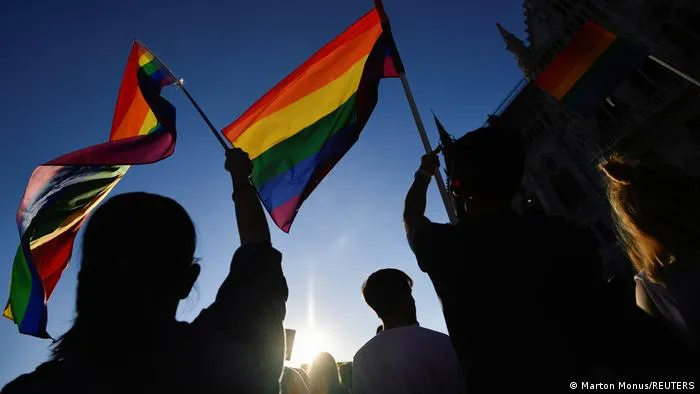

Parliament has passed the controversial Anti-LGBTQ Bill after months of intense national debate, drawing strong reactions from lawmakers, civil society groups, religious bodies, and the international community.
The legislation, formally known as the Human Sexual Rights and Family Values Bill, seeks to criminalise activities related to LGBTQ advocacy, promotion, and same-sex relationships. Supporters of the bill argue that it is necessary to protect what they describe as the country’s cultural values, family systems, and moral traditions.
The bill was passed following lengthy deliberations on the floor of Parliament, where the majority of lawmakers backed the proposal despite criticism from human rights organisations and advocacy groups. Some Members of Parliament described the move as a victory for national sovereignty and cultural identity.
Under the proposed law, individuals found guilty of engaging in same-sex relationships could face prison terms, while those accused of promoting or funding LGBTQ-related activities may also face sanctions. The bill further encourages the reporting of suspected LGBTQ activities to authorities.
Critics, however, have raised concerns that the legislation could violate fundamental human rights, including freedom of expression, association, and privacy. Several local and international organisations have warned that the law may increase discrimination and fear among vulnerable groups.
The development has sparked widespread public discussion both locally and internationally, with some foreign governments and global institutions expressing concern over the potential impact on human rights and Ghana’s international reputation.
Legal experts say attention will now turn to the Presidency, where the bill awaits assent before it can officially become law. Analysts believe the issue could also trigger possible legal challenges in the courts.
Despite the controversy, supporters of the bill insist it reflects the views and values of the majority of citizens, while opponents continue to call for dialogue, tolerance, and the protection of constitutional freedoms.
source
