
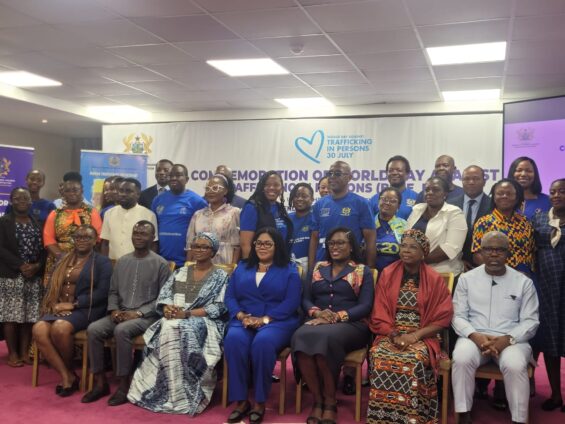

The has called for increased investment in journalism and media development as part of efforts to intensify the fight against human trafficking in Ghana and across the sub-region.
According to the Association, investigative journalism remains one of the most effective tools for exposing human trafficking networks, protecting vulnerable victims, and holding perpetrators accountable. However, the GJA says limited funding, inadequate training, and growing safety concerns continue to hinder journalists from fully carrying out in-depth investigations into trafficking-related crimes.
Speaking at an event to mark efforts against human trafficking, GJA officials stressed the need for government agencies, development partners, and civil society organisations to support media practitioners with resources, capacity building, and legal protection.
The Association noted that many trafficking cases often go unnoticed due to poor reporting structures and limited public awareness, adding that the media has a crucial role to play in educating communities about the dangers of human trafficking, especially among young people seeking opportunities abroad.
The GJA further explained that investing in quality journalism would not only strengthen public awareness campaigns but also encourage fact-based reporting capable of influencing policy decisions and driving national action against trafficking activities.
The Association also urged journalists to uphold ethical standards while reporting on trafficking cases, particularly in protecting the identities and dignity of victims.
Human trafficking continues to remain a major concern in many parts of Africa, with victims often subjected to forced labour, sexual exploitation, and other forms of abuse. The GJA believes stronger collaboration between the media, law enforcement agencies, and anti-trafficking organisations will help expose criminal syndicates and improve protection for victims.
The call comes amid renewed national and international efforts to clamp down on human trafficking and strengthen support systems for affected persons.
