
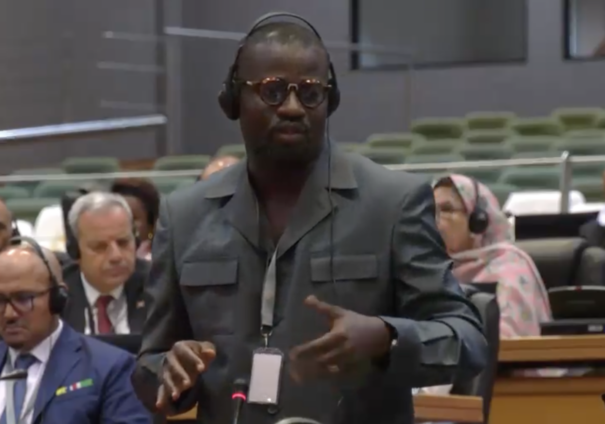

Minority Chief Whip in Ghana’s Parliament, Frank Annoh-Dompreh, has called for full transparency and early disclosure of all financial obligations relating to the Pan-African Parliament, warning against any last-minute surprises regarding arrears owed by member states.
His concerns come amid ongoing discussions on Ghana’s financial commitments to continental bodies under the African Union framework. According to Mr. Annoh-Dompreh, it is critical that Parliament is provided with clear, comprehensive, and timely information on outstanding arrears before any payments are approved.
Speaking on the matter, the Nsawam-Adoagyiri MP stressed that lawmakers must not be presented with urgent financial requests without prior scrutiny. He argued that such practices undermine accountability and weaken Parliament’s oversight role in managing public funds.
“We cannot continue to operate in a manner where Parliament is confronted with financial obligations at the last minute,” he cautioned. “There must be clarity, proper documentation, and sufficient time for review before any commitments are made.”
Mr. Annoh-Dompreh further emphasized that transparency in handling arrears at the Pan-African Parliament is essential to maintaining Ghana’s credibility within the African Union system. He noted that while Ghana remains committed to its continental obligations, due process must be followed in all financial dealings.
The lawmaker also urged relevant government agencies to improve coordination and communication with Parliament, particularly on matters involving international subscriptions and contributions. He insisted that early engagement would help prevent delays, confusion, and potential disputes over payments.
His remarks have sparked broader discussions on the need for stricter financial governance and enhanced reporting mechanisms when it comes to Ghana’s obligations to regional and continental institutions.
As deliberations continue, stakeholders are expected to push for reforms that will ensure greater transparency, accountability, and predictability in the management of such arrears, in line with best practices in public financial management.
