
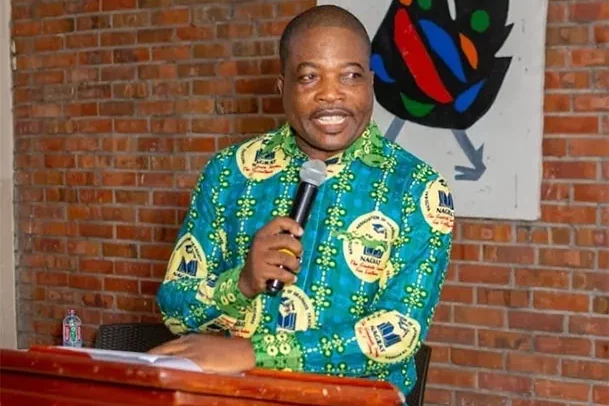

The National Association of Graduate Teachers (NAGRAT) has thrown its full support behind teachers who have gone months without pay, warning that the continued delay in settling their salaries is undermining Ghana’s education system and pushing affected educators to the brink.
In a strongly worded statement, NAGRAT expressed deep concern over the plight of newly recruited and posted teachers who, despite actively working in classrooms across the country, have not received their salaries for several months. The association described the situation as unjust and demoralizing, noting that it threatens both the welfare of teachers and the quality of education being delivered to students.
According to NAGRAT, the failure by the relevant authorities to promptly address the issue reflects a worrying lack of commitment to the teaching profession. The group argued that teachers play a critical role in national development and should not be subjected to such financial hardship.
“We cannot continue to expect teachers to give off their best when they are struggling to meet their basic needs,” a spokesperson for the association said. “This situation is not only unfair but also dangerous for the future of education in this country.”
The association warned that if urgent steps are not taken to resolve the matter, it could escalate into widespread unrest within the education sector. Already, there are indications that affected teachers are planning street protests to demand immediate payment of their outstanding salaries.
NAGRAT has therefore called on the Ghana Education Service and the Ministry of Education to act swiftly to rectify the situation. It stressed that delays in salary payments not only affect teachers’ morale but also disrupt academic activities, as frustrated educators may be forced to abandon their posts.
The association further urged the government to put in place more efficient systems to ensure that such issues do not recur in the future, emphasizing that the credibility of the country’s education system depends largely on how well teachers are treated.
As tensions continue to rise, all eyes are now on the authorities to respond decisively and prevent what could become a major crisis in the education sector.
