
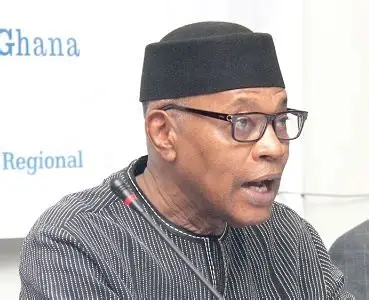

Ghana’s education system must undergo a critical transformation to meet the demands of a rapidly changing world, with a renewed focus on relevance, resilience, and responsibility, according to seasoned diplomat Mohamed Ibn Chambas.
Delivering a thought-provoking address at a recent public forum, Ibn Chambas stressed that while Ghana has made significant strides in expanding access to education, the country must now shift its attention to ensuring that learning outcomes are aligned with contemporary global realities.
He argued that the current system, though improved in terms of enrolment and infrastructure, still falls short in preparing students for the complexities of the modern economy. According to him, education must be made more relevant by equipping learners with practical skills, critical thinking abilities, and innovation-driven mindsets that match industry needs.
“Relevance in education means bridging the gap between what is taught in classrooms and what is required in the real world,” he noted, adding that graduates must be able to adapt, solve problems, and contribute meaningfully to national development.
On resilience, Ibn Chambas highlighted the importance of building an education system capable of withstanding shocks such as economic downturns, pandemics, and technological disruptions. He pointed to lessons from the COVID-19 era, which exposed significant gaps in digital infrastructure and access to remote learning tools.
He urged policymakers to invest in flexible and technology-driven learning models that ensure continuity of education under all circumstances, particularly in underserved and rural communities.
Touching on responsibility, the former diplomat emphasized the role of education in shaping ethical, civic-minded citizens. He called for a stronger integration of values such as integrity, accountability, and environmental consciousness into school curricula.
“Education must not only produce skilled individuals but also responsible citizens who are committed to the collective good,” he said.
Ibn Chambas further encouraged stronger collaboration between academia, industry, and government to design curricula that are responsive to labour market demands. He noted that partnerships with the private sector can help bridge the persistent gap between education and employment.
His remarks come at a time when Ghana continues to grapple with youth unemployment and calls for reforms to make education more practical and job-oriented.
Stakeholders at the event echoed his concerns, stressing the need for bold and sustained reforms to reposition Ghana’s education system as a driver of innovation, economic growth, and social transformation.
The call by Ibn Chambas adds to growing national discourse on the future of education, with many advocating for a system that not only imparts knowledge but also builds resilience and fosters a strong sense of responsibility among the next generation.
