
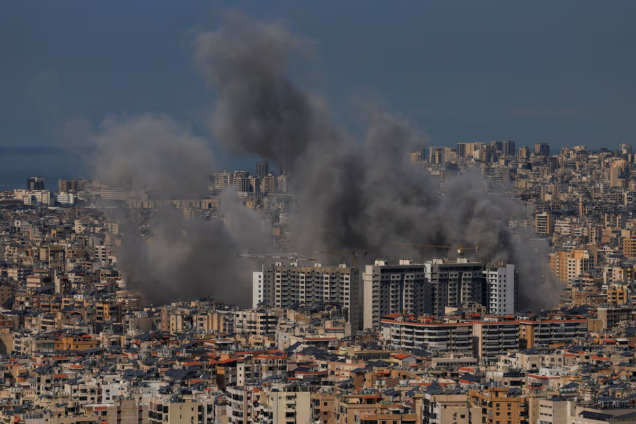

A new study has found that recent military attacks on Iran have generated climate-warming emissions on a scale comparable to the yearly carbon footprint of an entire country such as Iceland, highlighting the growing environmental cost of modern warfare.
Researchers analyzing the early phase of the conflict say the destruction of infrastructure, the burning of fuel facilities and the massive use of military equipment have together released millions of tonnes of greenhouse gases into the atmosphere. According to the analysis, more than 5 million tonnes of carbon dioxide (CO₂) were emitted within the first two weeks of the war, a figure driven largely by fires at fuel depots, the destruction of thousands of buildings, and heavy use of aircraft, vehicles and munitions.
The study notes that attacks on oil storage sites and refineries triggered large fires that burned for days, sending huge plumes of smoke and pollutants into the air. Satellite imagery confirmed that several major fuel facilities were hit, releasing toxic emissions and worsening already severe air pollution in affected areas.
Experts involved in the research warn that the environmental damage goes beyond the immediate smoke and pollution seen on the ground. War-related emissions include not only fuel burned during combat operations but also the carbon released from destroyed infrastructure and the rebuilding that follows. These combined effects can significantly accelerate global warming and deplete the remaining carbon budget needed to keep global temperature rise within safe limits.
Environmental researchers say the findings highlight a major gap in international climate accounting. Military emissions are often underreported or excluded from official climate commitments, despite evidence that armed conflicts can produce emissions comparable to those of entire nations. Previous studies of other wars have similarly shown that conflicts can generate greenhouse gases on the scale of multiple countries’ annual outputs.
Beyond climate impacts, analysts say the attacks have also caused widespread environmental destruction inside Iran, including pollution of air, soil and water systems, as well as potential long-term health risks for civilians living near affected industrial zones.
Researchers argue that the findings should prompt global policymakers to consider the environmental cost of military actions alongside their humanitarian and economic consequences, warning that prolonged conflict could further intensify climate risks worldwide.
