
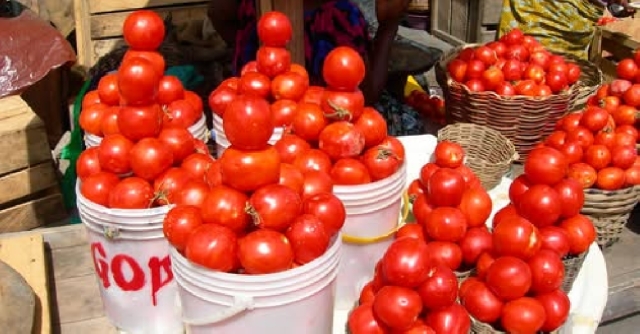

The government of Burkina Faso has announced the suspension of fresh tomato exports as part of efforts to strengthen the country’s agro-processing sector and reduce post-harvest losses.
Authorities say the decision is aimed at encouraging local processing of tomatoes into products such as paste, puree and canned goods, while also ensuring a steady supply of raw materials for domestic factories. Officials believe the move will help create more jobs, increase value addition within the country and improve earnings for farmers over the long term.
In recent years, Burkina Faso has experienced periods of high tomato production, but limited processing capacity has often forced farmers to sell at low prices or watch large quantities spoil. By temporarily halting exports of fresh tomatoes, the government hopes to redirect supplies to local processors and stabilise the market.
Agriculture officials indicated that the policy forms part of a broader strategy to industrialise the country’s agricultural sector. The government has been working to attract investment into food processing plants and improve storage, transportation and preservation infrastructure to support farmers and agribusinesses.
Local processors have welcomed the measure, saying it will give them consistent access to raw materials and allow them to expand production. Some traders and exporters, however, have expressed concern about the potential impact on cross-border trade, particularly with neighbouring countries that rely on Burkinabè tomatoes.
Farmers’ groups have urged the government to complement the policy with support measures, including improved access to financing, irrigation and modern farming techniques, to ensure producers benefit from the shift toward local value addition.
Authorities say the suspension will be reviewed periodically, with the long-term goal of building a more resilient agricultural value chain that can meet domestic demand while also exporting processed tomato products to regional and international markets.
