
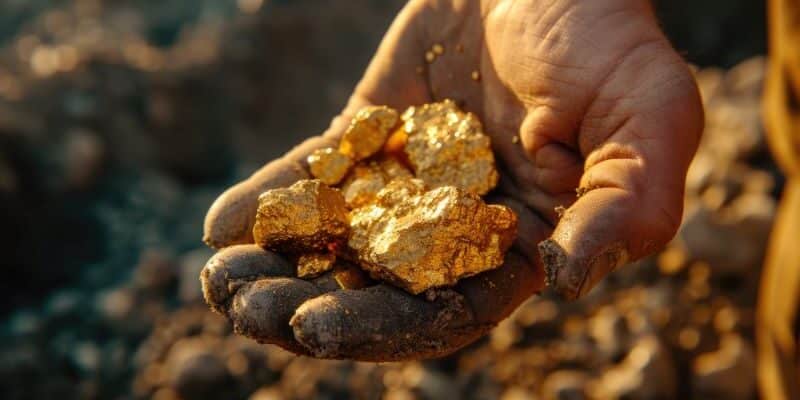

Governor of the Bank of Ghana, Dr Johnson Pandit Kwasi Asiama, has indicated that the recent surge in global gold prices—largely driven by geopolitical tensions—could offer a positive boost to Ghana’s trade balance and strengthen its external sector.
According to Dr Asiama, heightened geopolitical uncertainties across several regions of the world have increased demand for safe-haven assets such as gold, pushing prices upward on the international market. As one of Africa’s leading gold exporters, Ghana stands to benefit significantly from these favourable price movements.
He explained that gold continues to play a critical role in Ghana’s export earnings and foreign exchange inflows. With global investors turning to the precious metal amid economic and political instability, higher prices could translate into increased export revenues for the country.
“Periods of global uncertainty typically lead investors to seek safer assets like gold,” Dr Asiama noted. “For a major gold-producing country like Ghana, this development can support our trade balance and contribute to improved foreign exchange reserves.”
Ghana remains one of the world’s top gold producers, with large-scale mining companies such as Newmont Corporation, AngloGold Ashanti, and Gold Fields operating major mines across the country. The mineral consistently ranks among the nation’s most valuable exports, alongside commodities like cocoa and crude oil.
Dr Asiama stressed that sustained high gold prices could help offset pressures from other sectors of the economy, especially in periods when global commodity markets experience volatility. Increased earnings from gold exports could also improve Ghana’s current account position and support the stability of the local currency.
However, he cautioned that while favourable commodity prices present opportunities, Ghana must continue implementing prudent macroeconomic policies to maintain economic stability. He noted that reliance on commodity exports alone cannot guarantee long-term economic resilience.
The Bank of Ghana Governor further emphasised the need for the country to strengthen value addition within the mining sector and diversify its economy to reduce vulnerability to fluctuations in global commodity markets.
Market analysts have also observed that escalating geopolitical tensions in parts of the Middle East, Eastern Europe, and other regions have contributed to the recent rally in gold prices, reinforcing the metal’s status as a safe-haven investment.
For Ghana, these developments could provide short-term relief to its trade balance and foreign exchange position, particularly at a time when the country is working to stabilise its economy and rebuild investor confidence.
Dr Asiama concluded that while global conditions remain uncertain, Ghana must strategically leverage favourable commodity price cycles to support economic recovery and long-term growth.
