
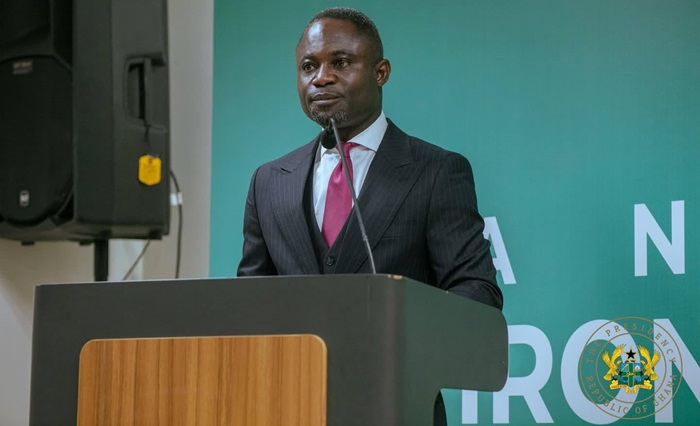

Ghana’s Minister for Health has called on public hospitals and health facilities across the country to dedicate at least 10 percent of their Internally Generated Funds (IGF) to the maintenance of infrastructure, equipment, and essential services within their facilities.
According to the Minister, the move is aimed at addressing the persistent problem of deteriorating hospital infrastructure and poorly maintained medical equipment in many public health facilities. He stressed that while the government continues to invest heavily in the health sector through new projects and equipment procurement, the sustainability of these investments depends largely on how well existing facilities are maintained.
Speaking at a meeting with health sector administrators and stakeholders, the Minister emphasized that maintenance must be treated as a priority rather than an afterthought. He noted that many hospitals struggle with broken equipment, damaged buildings, and poorly maintained wards not necessarily because of a lack of resources, but due to weak maintenance culture and poor planning.
He explained that allocating a portion of IGF for maintenance would ensure that hospitals always have a dedicated fund to fix broken equipment, repair infrastructure, and maintain essential services such as water systems, electricity, and sanitation facilities.
“Maintenance is a critical component of healthcare delivery. When equipment breaks down or facilities deteriorate, it directly affects patient care and the ability of health workers to do their jobs effectively,” the Minister stated.
Internally Generated Funds are revenues that hospitals and health facilities raise through services such as consultation fees, laboratory services, diagnostic procedures, and other medical services. These funds are often used to support the day-to-day operations of hospitals, including the purchase of consumables and minor operational costs.
However, the Health Minister expressed concern that maintenance has often been neglected in the allocation of these funds, resulting in situations where newly installed equipment quickly becomes unusable due to lack of servicing, or hospital buildings fall into disrepair after only a few years.
He urged hospital administrators, medical directors, and management teams to adopt a proactive approach to maintenance by planning routine inspections and repairs rather than waiting until equipment or infrastructure completely fails.
The Minister also noted that effective maintenance systems could significantly reduce the long-term cost of repairs and replacements. He explained that preventive maintenance—such as regular servicing of machines and routine building repairs—can extend the lifespan of expensive medical equipment and infrastructure.
Healthcare professionals present at the meeting welcomed the proposal, acknowledging that maintenance challenges have been a major obstacle in many facilities across the country. Some administrators noted that having a dedicated portion of IGF for maintenance would help ensure that critical repairs are not delayed due to lack of funds.
The Ministry of Health is expected to work closely with hospital management boards and the Ghana Health Service to develop guidelines that will help facilities implement the 10 percent maintenance allocation effectively.
The initiative forms part of broader efforts by the government to strengthen Ghana’s healthcare system, improve service delivery, and ensure that health facilities remain functional and safe for both patients and health workers.
By prioritizing maintenance, the Health Minister believes Ghana can protect its investments in the health sector while ensuring that hospitals remain capable of delivering quality healthcare to citizens across the country.
