
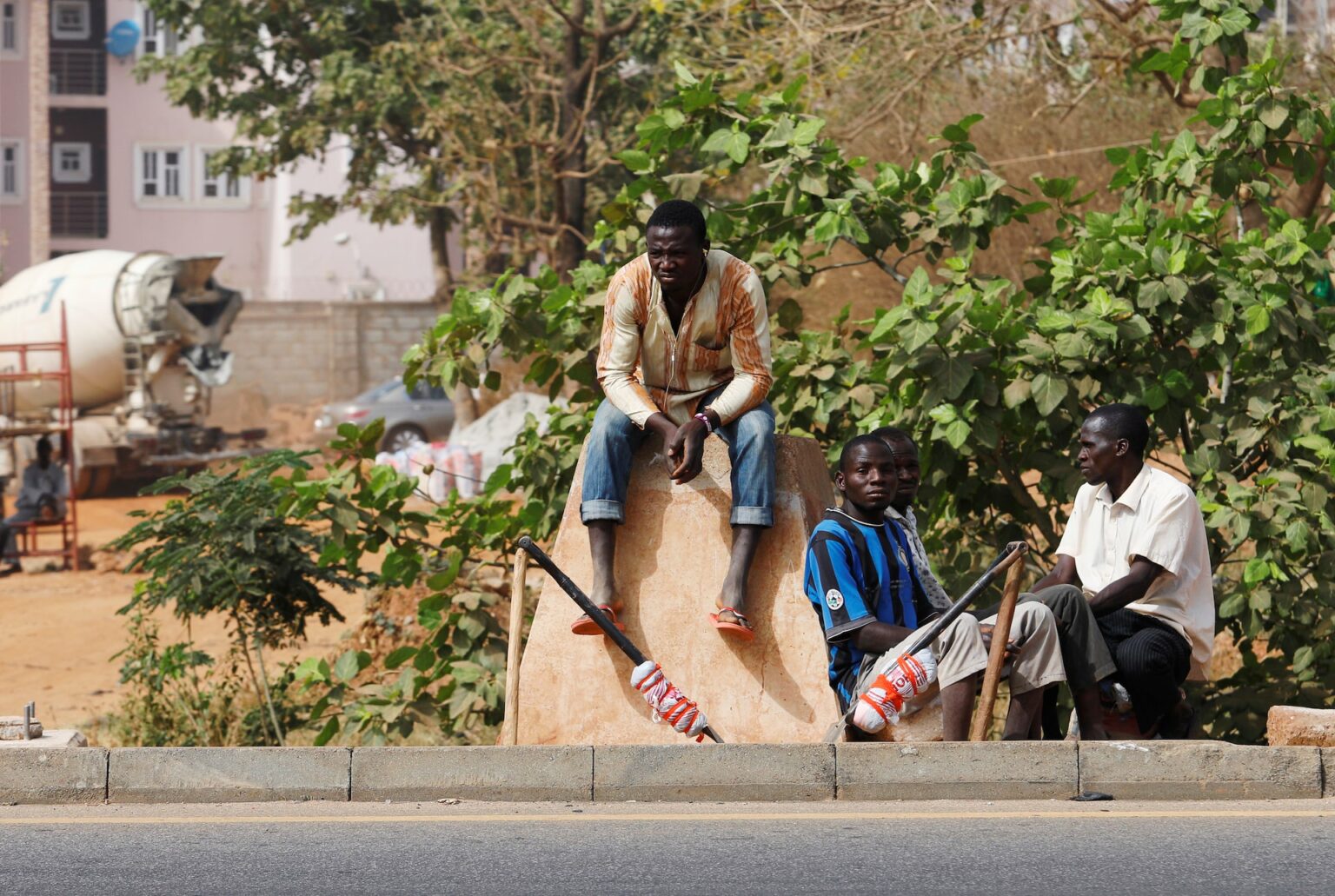

Ghana’s employment challenge is not only about the shortage of jobs. It is also about a deeper and often overlooked problem — the lack of proper documentation and reliable data on who is working, where they are working, and under what conditions. This documentation gap continues to undermine efforts to address unemployment and improve labour policies, leaving many workers operating largely “in the dark.”
Across the country, a significant portion of the workforce is employed in the informal sector. From traders in bustling markets and artisans in small workshops to transport operators and freelance service providers, millions of Ghanaians earn their living outside formal employment structures. While this sector is vibrant and provides livelihoods for many, it often operates without clear records, contracts, or regulatory oversight.
Because these jobs are rarely documented, policymakers struggle to obtain accurate information about employment levels, job quality, income stability, and labour protections. Without dependable records, it becomes difficult for the government to design effective employment programmes, enforce labour laws, or ensure workers benefit from social protection schemes such as pensions and health insurance.
The documentation gap also affects workers themselves. Many people in informal employment cannot easily prove their income or work history, making it difficult to access loans, secure housing, or benefit from government support programmes. In times of economic hardship, these workers are often the most vulnerable because their employment status is invisible in official systems.
Experts say improving documentation within the labour market could help bridge the gap between the informal and formal sectors. Digital registration systems, stronger labour inspections, and simplified tax and regulatory frameworks could encourage more workers and businesses to formalise their operations. At the same time, expanding financial inclusion and digital payment systems may help create verifiable records of economic activity.
However, addressing the issue requires political will and coordinated action among government agencies, private sector stakeholders, and labour organisations. Without deliberate efforts to track and document employment more effectively, Ghana risks continuing to make policy decisions based on incomplete information.
As the country works to create sustainable jobs and strengthen its economy, closing the documentation gap may prove just as important as creating new employment opportunities. Until then, millions of Ghanaians will continue to work hard every day while remaining largely invisible in the nation’s official employment records.
