

The Government of Ghana has defended the decision to scale down activities marking the country’s 69th Independence Anniversary, citing the need to reduce public spending and ensure safety.
Officials say the move forms part of broader efforts to promote fiscal discipline while still preserving the significance of the national celebration.
Government representatives explained that large-scale Independence Day celebrations often require substantial expenditure on logistics, security arrangements, infrastructure, and transportation for participants drawn from across the country.
According to authorities, the decision to limit the scale of this year’s celebrations was taken after careful consideration of the current economic climate and the need to prioritise essential public spending.
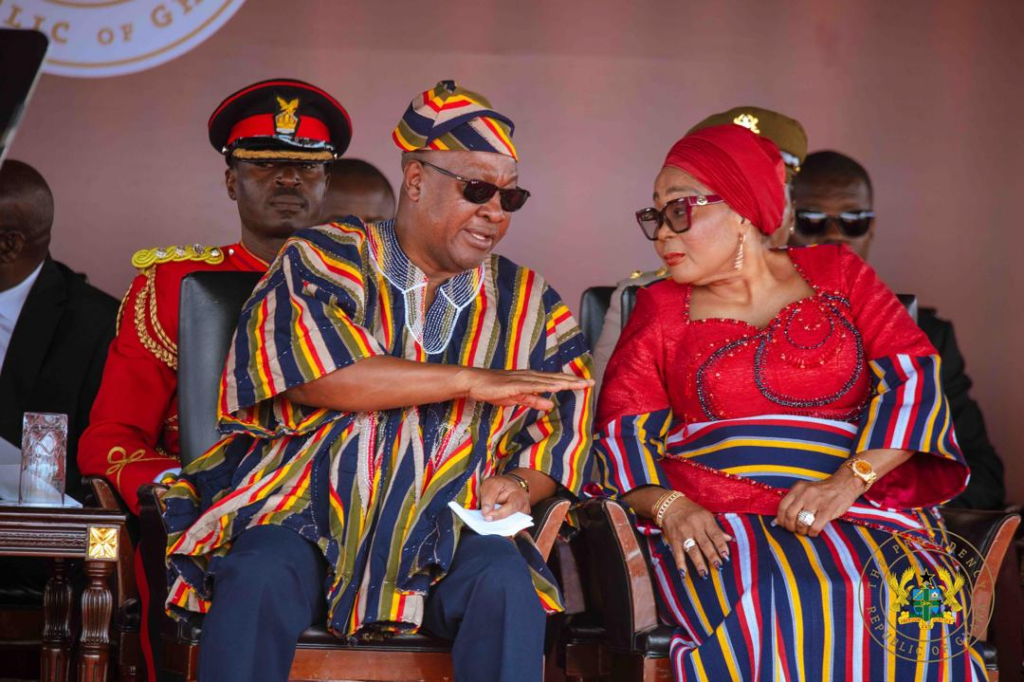
The main commemorative event was held at the Black Star Square, but with a reduced number of participating schools, security contingents, and invited guests compared to previous years.
Officials also pointed to safety considerations as a major factor behind the scaled-down format. Large public gatherings require extensive security planning, traffic management, and crowd control measures, which can strain national resources.
A government spokesperson said the intention was not to diminish the importance of the occasion but to ensure that the celebration remains meaningful while avoiding unnecessary expenditure.
Despite the smaller event, the ceremony still featured a military parade, cultural performances, and patriotic displays to honour Ghana’s independence from British colonial rule on March 6, 1957, led by the country’s first leader, Kwame Nkrumah.
Authorities emphasised that Independence Day remains a key moment for reflection on Ghana’s democratic journey, national unity, and development.
They also encouraged citizens across the country to mark the occasion in their communities through civic activities, cultural events, and acts of national service.
