
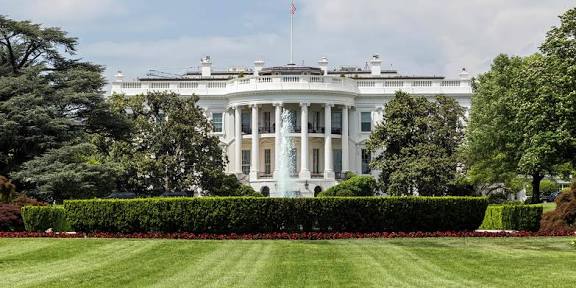

The White House has welcomed the outcome of recent votes in the United States Congress that effectively allow the administration of Donald Trump to continue its military campaign against Iran.
The reaction from the White House followed a closely contested vote in the United States House of Representatives that rejected a war powers resolution aimed at halting U.S. military strikes against Iran. Lawmakers voted 219 to 212 against the measure, meaning the resolution failed to pass.
The vote came just a day after the United States Senate also rejected a similar proposal that sought to restrict the president’s authority to conduct further military operations without explicit approval from Congress.
White House officials said the outcome demonstrated that Congress broadly supports the administration’s actions and the ongoing military campaign. The administration has argued that the strikes are necessary to protect U.S. interests and counter threats posed by Iran.
Supporters of the administration within the Republican Party maintain that limiting the president’s war powers at this stage could embolden U.S. adversaries and undermine ongoing military operations. Some lawmakers also believe the strikes are part of a broader effort to counter Iran’s regional influence and alleged support for militant groups.
However, the votes have sparked strong criticism from many Democrats and some Republicans who argue that the president launched the strikes without proper authorization from Congress. They say the Constitution gives Congress the authority to declare war and warn that bypassing that process sets a dangerous precedent.
The failed resolution would have required the president to withdraw U.S. forces engaged in hostilities with Iran unless Congress formally approved the military action.
The developments highlight deep divisions in Washington over the conflict, with critics warning about the risks of escalation in the Middle East, while supporters argue that strong military action is necessary to confront Iran and protect American interests.
The situation remains fluid, as lawmakers continue to debate the scope and duration of U.S. involvement in the conflict.
