
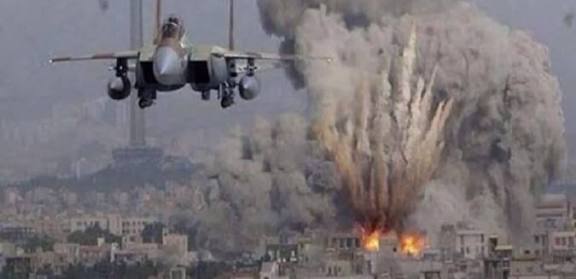

Several United States military aircraft have reportedly crashed in Kuwait amid escalating tensions in the Gulf region, as Iranian missile and drone strikes continue to target U.S. assets and allied facilities.
The incidents occurred late Tuesday, according to regional security sources, at a time when U.S. forces stationed in the Middle East are on heightened alert following a wave of retaliatory attacks attributed to Iran. While details remain limited, preliminary reports indicate that multiple aircraft sustained severe damage after coming under hostile fire near a military installation in Kuwait.
U.S. defence officials have yet to confirm the exact number of aircraft involved or provide information on casualties. However, they acknowledged that operations in the region have been significantly impacted by the ongoing security situation. Emergency response teams were immediately deployed to the crash sites, and investigations are underway to determine whether the aircraft were directly hit by Iranian projectiles or affected by secondary explosions.
The crashes come as Iran intensifies its campaign of missile and drone strikes across parts of the Middle East, targeting what it describes as strategic military objectives linked to U.S. presence in the region. The escalation follows weeks of rising hostilities, with both sides exchanging threats and limited strikes.
Kuwaiti authorities have reinforced security around key infrastructure and military facilities, urging residents to remain calm while assuring the public that measures are in place to safeguard national security. Airspace restrictions have reportedly been implemented in certain areas as a precaution.
The United States has maintained a strong military presence in Kuwait for decades, using the country as a strategic hub for operations across the Gulf. Any confirmed loss of aircraft would mark a significant development in the unfolding crisis and could prompt further military and diplomatic responses.
Analysts warn that continued strikes risk widening the conflict, potentially drawing in other regional actors and destabilizing an already fragile security environment. The situation remains fluid, with officials closely monitoring developments and assessing the broader implications for regional stability.
