
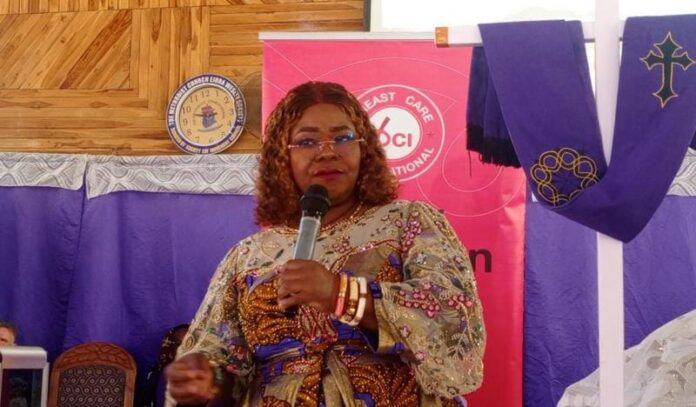

Leading Ghanaian oncologist Beatrice Wiafe Addai has raised serious concerns over the increasing incidence of breast cancer in Ghana, warning that shisha and cigarette smoking are emerging as significant contributing factors.
Dr Wiafe, who is the founder of Peace and Love Hospitals, cautioned that the growing popularity of tobacco products—particularly shisha among young women—is putting many at heightened risk of developing breast cancer and other life-threatening diseases.
Speaking during a breast cancer awareness engagement, she stressed that while genetic and hormonal factors remain key contributors to breast cancer, lifestyle habits such as smoking are increasingly becoming a dangerous trigger.
According to her, many people mistakenly believe that shisha is less harmful than cigarettes. However, she explained that shisha smoke contains high levels of toxic chemicals, including carcinogens that can damage breast tissue and increase the likelihood of cancer development.
“Shisha is not safer than cigarettes. In fact, in many cases, users inhale even more toxic substances because of the prolonged smoking sessions,” she warned.
Rising Breast Cancer Cases a National Concern
Dr Wiafe noted that breast cancer cases in Ghana continue to rise, with more young women being diagnosed at advanced stages. She attributed this worrying trend partly to unhealthy lifestyle choices, late detection, and limited awareness about risk factors.
She emphasised that tobacco use weakens the immune system and alters hormonal balance, creating conditions that may promote the growth of cancer cells. She also warned that second-hand smoke exposure can pose risks to non-smokers, including children and family members.
Call for Stronger Public Health Education
The respected cancer specialist called for intensified public health education campaigns to address misconceptions surrounding shisha and cigarette smoking. She urged policymakers to enforce stricter tobacco control regulations and regulate shisha lounges more effectively.
Dr Wiafe further encouraged women to prioritise regular breast self-examinations and clinical screenings for early detection, stressing that early diagnosis significantly improves survival rates.
She appealed to parents, schools, and community leaders to play active roles in educating young people about the long-term health dangers associated with smoking.
Protecting the Next Generation
Dr Wiafe concluded by urging Ghanaians—especially young women—to make healthier lifestyle choices to reduce their cancer risk.
“Breast cancer is not just a medical issue; it is a social and lifestyle issue. The choices we make today can determine our health tomorrow,” she stated.
Her warning adds to growing concerns among health professionals that without urgent intervention, lifestyle-related cancers could place an even heavier burden on Ghana’s healthcare system in the years ahead.
