
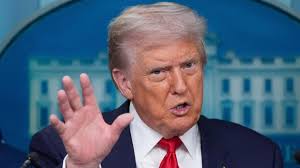

Former U.S. President Donald Trump has sharply criticized the Supreme Court of the United States following a ruling on tariffs that he says undermines his trade policy agenda and weakens America’s negotiating power on the global stage.
In a strongly worded reaction, Trump accused the justices of interfering in executive authority and jeopardizing efforts to protect American industries. He described the decision as “misguided” and warned that it could have far-reaching consequences for U.S. trade relations.
The ruling centers on the scope of presidential powers to impose tariffs, particularly under national security and trade laws. The Court’s decision has sparked renewed debate over the balance of power between the executive branch and the judiciary, especially in matters involving economic policy and international trade.
Trump, who made aggressive tariff policies a hallmark of his administration, defended the measures as necessary to protect American workers and manufacturing. He argued that strong tariffs were instrumental in countering unfair trade practices and strengthening domestic production.
Legal analysts, however, note that the Court’s ruling reflects constitutional checks and balances designed to prevent overreach. Critics of Trump’s position say the decision reinforces the judiciary’s role in interpreting the limits of presidential authority.
The development has reignited political tensions, with supporters backing Trump’s stance on trade protectionism while opponents view the ruling as a safeguard for lawful governance.
As reactions continue to pour in from lawmakers, economists, and trade experts, the decision is expected to shape ongoing discussions about the future of U.S. trade policy and executive powers.
