
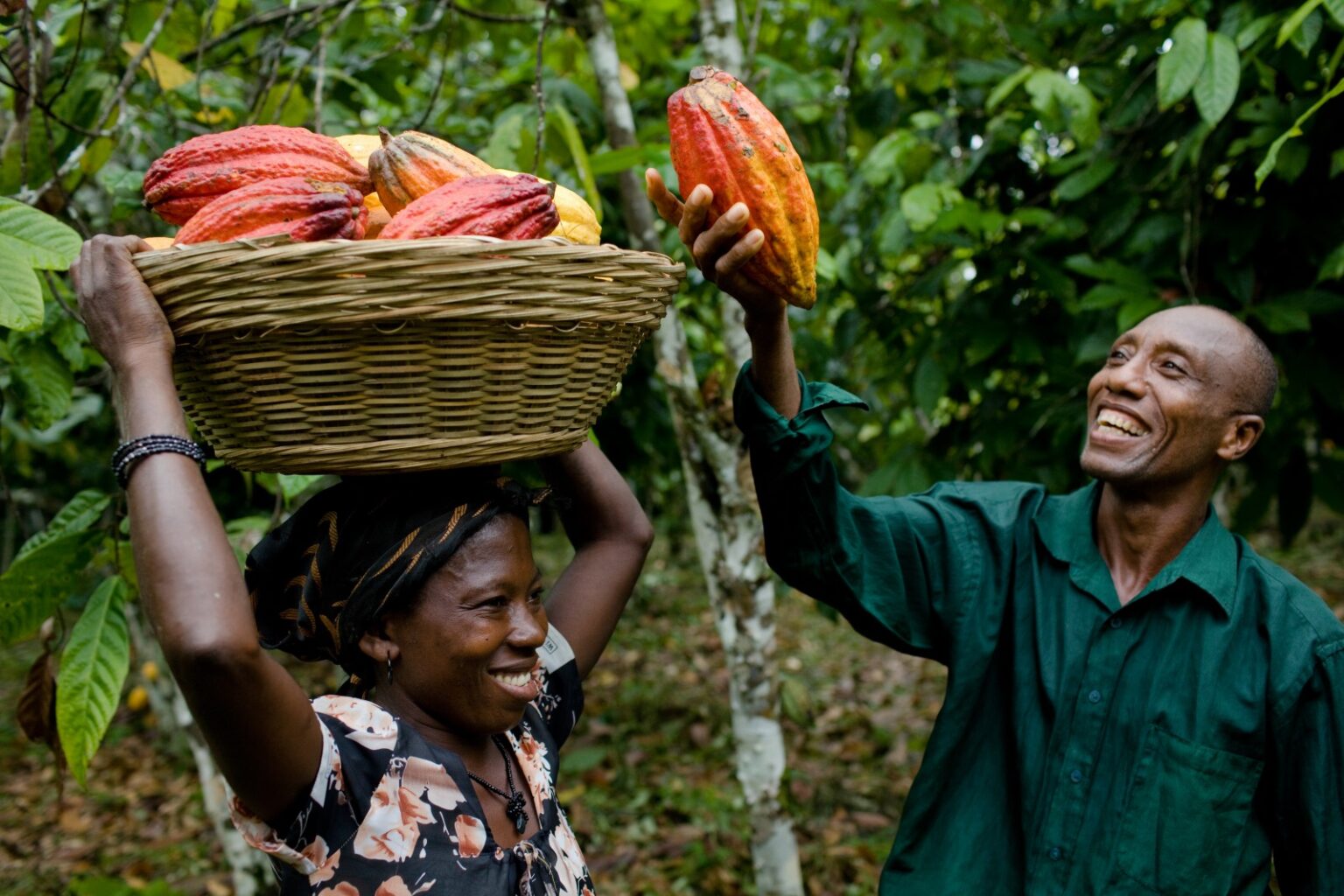

Ghana’s Cocoa Legacy Shines Globally, But Farmers Struggle at Home
Ghana’s cocoa is globally celebrated for its rich flavour and premium quality, forming the backbone of some of the world’s finest chocolate brands. For decades, the West African nation has stood as the second-largest cocoa producer worldwide, supplying beans to Europe, North America and Asia. Yet, behind this global acclaim lies a troubling paradox — the very farmers who cultivate this prized crop continue to grapple with poverty.
Across cocoa-growing regions such as Ashanti, Western North, Bono and Eastern, smallholder farmers who form the backbone of the industry face low incomes, rising production costs and limited access to basic social amenities.
Low Farmgate Prices and Rising Costs Deepen Hardship
One of the central challenges confronting cocoa farmers is the disparity between global chocolate profits and the prices paid to producers at the farmgate. Although Ghana Cocoa Board (COCOBOD) sets producer prices aimed at protecting farmers from volatile global markets, many growers argue that the returns remain insufficient to meet rising living and farming costs.
Fertiliser, pesticides, labour and transportation expenses have surged in recent years, eating into already modest earnings. For many farming households, cocoa income barely covers basic needs, leaving little room for savings or reinvestment in their farms.
Limited Value Addition Keeps Wealth Abroad
While Ghana exports high-quality raw cocoa beans, the bulk of value addition occurs overseas, where multinational companies process the beans into chocolate and other confectionery products. This imbalance means that a significant share of profits is captured outside Ghana.
Industry analysts say expanding local processing capacity and encouraging domestic chocolate manufacturing could help retain more revenue within the country and improve earnings along the value chain.
Ageing Farms and Climate Threats Compound the Crisis
Ghana’s cocoa sector also faces structural challenges, including ageing trees, declining soil fertility and the impact of climate change. Erratic rainfall patterns, prolonged dry spells and the spread of diseases such as swollen shoot continue to reduce yields.
Many farmers lack access to affordable credit to rehabilitate old farms or adopt climate-resilient practices, further trapping them in a cycle of low productivity and low income.
Galamsey and Land Pressures Undermine Production
Illegal mining, locally known as galamsey, has emerged as a major threat to cocoa-growing communities. Fertile farmlands are being destroyed or sold off for mining activities, shrinking available land for cocoa cultivation and contaminating water sources.
Some farmers, driven by financial hardship, have been tempted to lease or sell their cocoa farms to illegal miners, worsening long-term sustainability challenges in the sector.
Calls for Fairer Trade and Policy Reforms Intensify
Stakeholders are increasingly calling for comprehensive reforms to ensure farmers receive a fairer share of global cocoa revenues. Proposals include strengthening cooperatives, enhancing transparency in pricing mechanisms, expanding local processing and investing in farmer welfare programmes.
There are also renewed appeals for international chocolate companies to commit to living income initiatives that guarantee sustainable earnings for producers.
Securing the Future of Ghana’s Cocoa Industry
As global demand for ethically sourced chocolate grows, experts believe Ghana has an opportunity to reposition its cocoa sector through innovation, value addition and stronger farmer support systems.
Until meaningful reforms are implemented, however, the cocoa conundrum will persist — a nation renowned for producing the world’s best chocolate, yet home to farmers who remain trapped in poverty.
The challenge for policymakers and industry leaders is clear: transform Ghana’s cocoa success story into shared prosperity for the men and women whose hands nurture the beans that sweeten the world.
