

Traders Reject Revised VAT Structure, Warn of Rising Prices and Business Closures
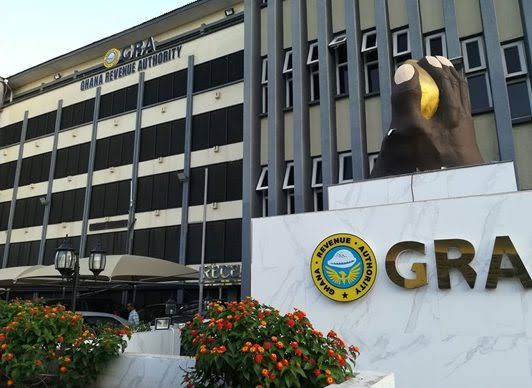
A major standoff is brewing between the Ghana Union of Traders Associations (GUTA) and the Ghana Revenue Authority (GRA) over the implementation of a new 20 per cent Value Added Tax (VAT) regime, with traders warning that the policy could worsen the cost-of-living crisis and cripple small businesses.
GUTA has strongly opposed the revised VAT framework, arguing that the increase places an unbearable burden on traders who are already grappling with high import duties, currency instability, rising utility tariffs and declining consumer purchasing power.
GUTA: New VAT Rate Will Deepen Economic Hardship
According to the association, the 20 per cent VAT regime will inevitably lead to higher prices of goods and services across markets nationwide. GUTA leaders insist that traders will have no choice but to pass the additional tax burden on to consumers.
They further cautioned that many small and medium-sized enterprises (SMEs) risk shutting down if the policy is not reviewed, noting that businesses are still recovering from recent economic shocks.
GUTA is therefore calling on the government and the GRA to suspend the implementation of the new VAT rate and engage stakeholders in broader consultations to find a more sustainable solution.
GRA Defends Policy, Insists It Is Lawful and Necessary
The Ghana Revenue Authority, however, has defended the new VAT regime, maintaining that the changes are in line with existing tax laws and aimed at improving domestic revenue mobilisation.
Officials argue that broadening the tax base and streamlining VAT collection are critical steps toward strengthening Ghana’s fiscal position and reducing reliance on external borrowing.
The GRA has also assured businesses that it will intensify public education and provide clarity on compliance procedures to ease the transition under the revised tax structure.
Growing Tension Between Traders and Tax Authorities
The disagreement highlights growing tension between the trading community and tax authorities, as businesses continue to push back against what they describe as excessive taxation.
GUTA has hinted at possible nationwide actions if its concerns are not addressed, signalling that the dispute could escalate if dialogue between the two parties fails.
Calls for Dialogue and Policy Review
Economic analysts say the impasse underscores the delicate balance government must strike between revenue generation and protecting business growth.
As discussions continue, stakeholders are urging both GUTA and the GRA to prioritise dialogue to avoid disruptions in the market and safeguard economic stability.
The coming days are expected to determine whether compromise can be reached or whether the disagreement will intensify into a broader confrontation between traders and tax authorities.
