

From Cultural Concerns to Religious Objections, February 14 Has Sparked Controversy in Several Nations
While Valentine’s Day is widely celebrated across the globe with flowers, chocolates and romantic gestures, the February 14 observance has not been universally embraced. In some countries, authorities have imposed bans or restrictions, often citing cultural, religious or moral concerns.
Here are eight countries where Valentine’s Day has faced limitations over the years:
1.

Pakistan has seen intermittent restrictions on Valentine’s Day celebrations. In 2017, a court ruling banned public celebrations in certain areas, and media outlets were discouraged from promoting the holiday. Critics argue that the day promotes Western culture at odds with local traditions.
2.
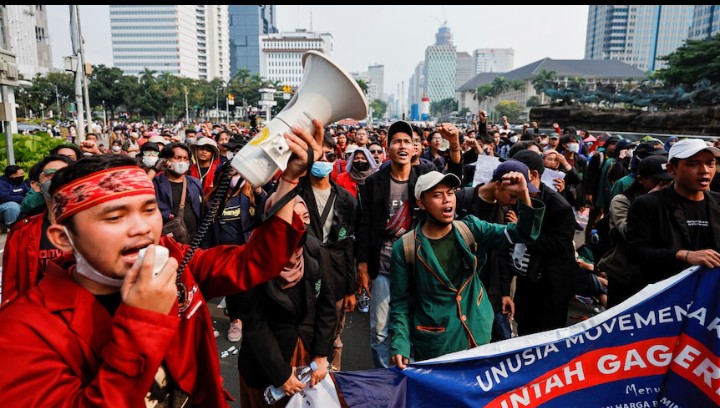
Although not officially banned nationwide, several regions in Indonesia—particularly conservative provinces—have imposed local restrictions. Authorities in places like Aceh have discouraged or prohibited celebrations, citing moral and religious grounds.
3.
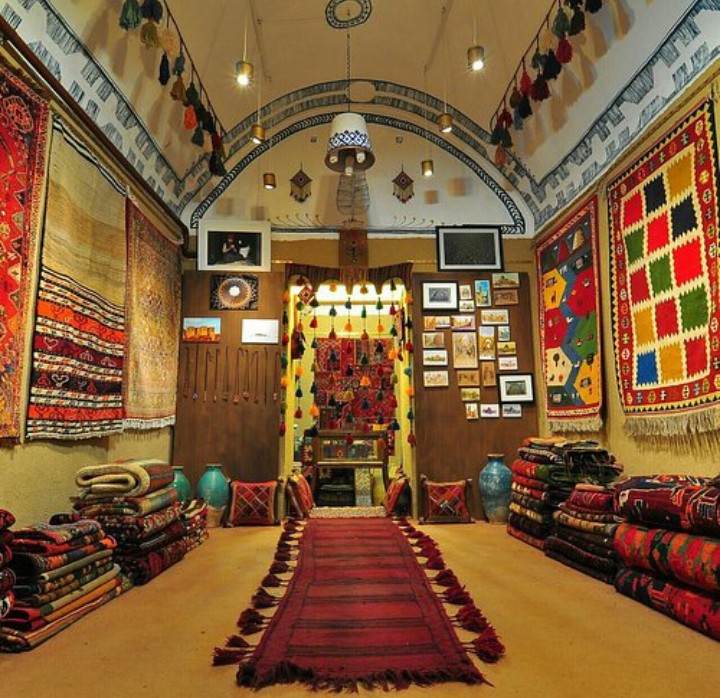
Iran has periodically restricted the sale of Valentine’s Day-themed gifts, including cards and red roses. Officials have argued that the holiday promotes Western influence inconsistent with Islamic values.
4.

For years, Saudi Arabia imposed strict bans on Valentine’s Day-related merchandise. Although enforcement has reportedly eased in recent times amid social reforms, the holiday was once strongly discouraged under religious guidelines.
5.

Malaysia has not enacted a full ban, but religious authorities have issued warnings to Muslims against celebrating Valentine’s Day, linking it to immoral activities. Enforcement has typically focused on public campaigns rather than nationwide prohibitions.
6.
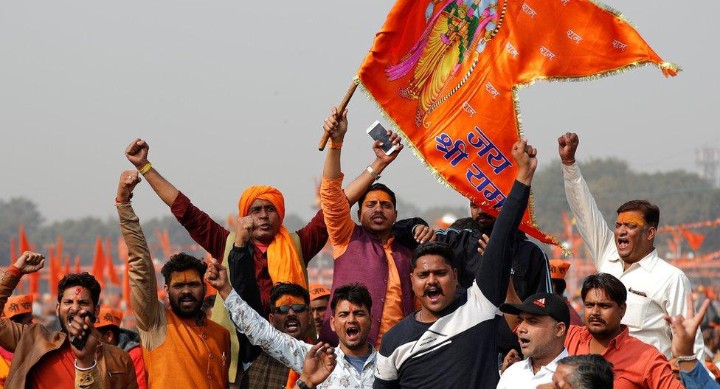
Valentine’s Day is widely celebrated in India, but it has faced opposition from certain conservative groups who view it as a Western cultural import. While there is no official ban, sporadic protests and disruptions have occurred in some cities.
7.
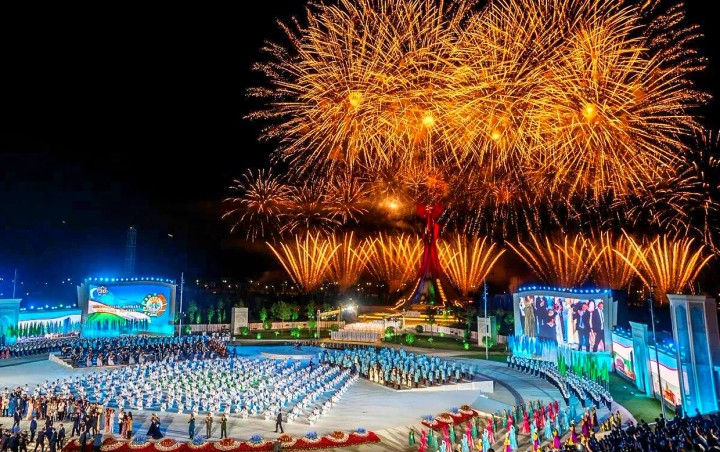
Uzbekistan has at times discouraged Valentine’s Day celebrations, reportedly promoting national cultural observances instead.
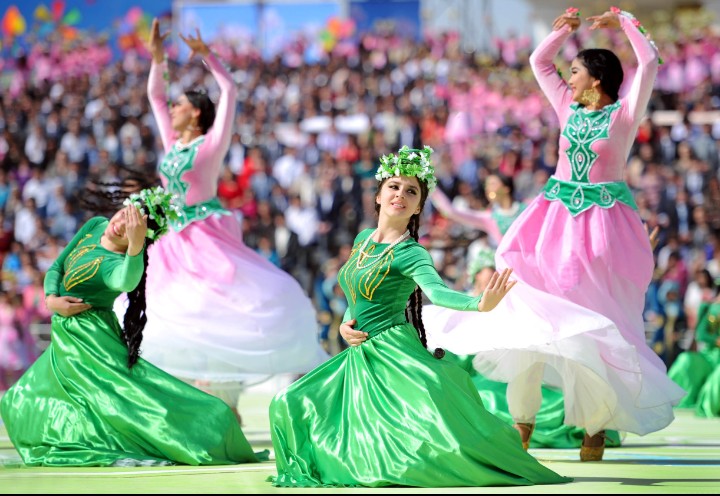
Schools and public institutions have occasionally been advised to avoid marking the occasion.
8.

While Valentine’s Day is not officially banned in Russia, some political and religious figures have criticized it as a Western holiday. In certain regions, authorities have promoted alternative celebrations rooted in local traditions.
A Celebration Shaped by Culture and Context
Valentine’s Day remains one of the most commercially recognized celebrations worldwide, yet its reception varies widely depending on cultural, political and religious contexts.
In many of these countries, restrictions have ranged from symbolic discouragement to formal bans on public events or promotional activities. Despite this, private celebrations often continue, reflecting the complex balance between tradition, modernity and global cultural exchange.
