
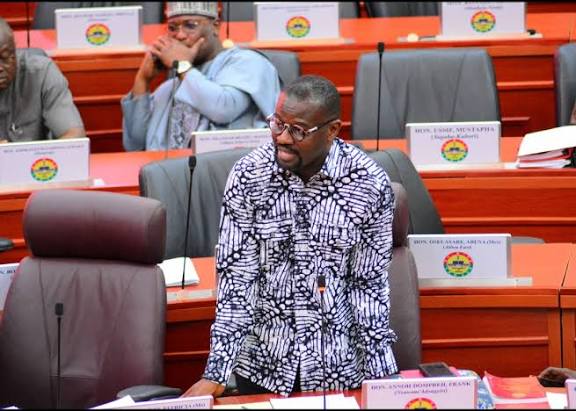

The Minority Chief Whip in Ghana’s Parliament, Kwame Governs Agbodza, has raised alarm over the worsening state of the country’s water resources, revealing that about 60 percent of Ghana’s water bodies are now polluted. He says the alarming environmental degradation demands urgent legal reforms, including the introduction of a strict Ecocide Law to hold individuals and corporations accountable for the destruction of natural ecosystems.
Speaking during a public engagement on environmental protection, the Adaklu Member of Parliament expressed deep concern about the scale of pollution affecting rivers, streams, and other water sources across the country. According to him, the rapid destruction of water bodies has largely been driven by illegal mining activities, popularly known as galamsey, as well as industrial waste discharge and poor environmental regulation.
He stressed that the continued pollution of water resources threatens not only Ghana’s environment but also the health, livelihoods, and food security of millions of citizens who depend on these water bodies for drinking water, farming, and fishing.
Mr. Agbodza explained that Ghana’s current environmental laws are not strong enough to deter those responsible for severe ecological destruction. He argued that existing penalties often fail to match the scale of the damage caused, allowing perpetrators to continue harmful activities with minimal consequences.
To address the situation, the Minority Chief Whip is advocating the passage of an Ecocide Law, which would criminalize large-scale environmental destruction and make it punishable by serious legal sanctions. Under such legislation, individuals, companies, and even public officials who enable or participate in the destruction of ecosystems could face severe penalties, including heavy fines and possible imprisonment.
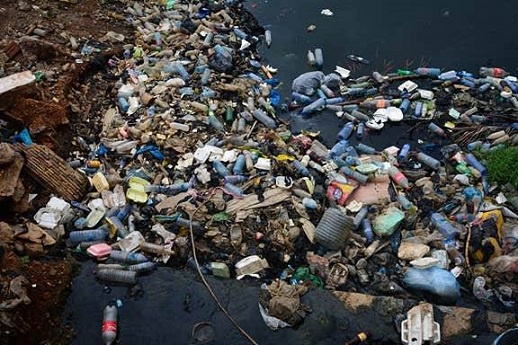
He noted that the concept of ecocide is gaining global recognition as countries and international bodies increasingly acknowledge environmental destruction as a crime against humanity and the planet.
According to him, Ghana must not lag behind in adopting bold legal measures to protect its natural resources, especially at a time when the country’s rivers and forests are under increasing threat.
The lawmaker also called on the government to strengthen the capacity of environmental regulatory agencies such as the Environmental Protection Agency (Ghana) and the Water Resources Commission. He said these institutions require better funding, equipment, and enforcement powers to effectively monitor and control activities that contaminate water bodies.
He further urged the government to intensify the fight against illegal mining, which has been widely blamed for turning once-clean rivers brown and unsafe for consumption in many communities.
Environmental experts have repeatedly warned that the pollution of water bodies is placing enormous pressure on the Ghana Water Company Limited, which must spend more resources to treat contaminated raw water before supplying it to households.
Mr. Agbodza emphasized that without immediate and decisive action, Ghana risks facing a severe water crisis in the future, as more rivers become unsuitable for human use.
He therefore called for a national commitment to environmental protection, urging Parliament, government agencies, traditional leaders, and citizens to work together to safeguard the country’s natural resources.
“The destruction of our water bodies is not just an environmental issue; it is a national emergency,” he stressed, adding that future generations will suffer the consequences if the country fails to act now.
His call for an Ecocide Law has reignited debate about the need for stronger environmental accountability in Ghana, particularly as concerns over illegal mining and water pollution continue to dominate national discussions.
