
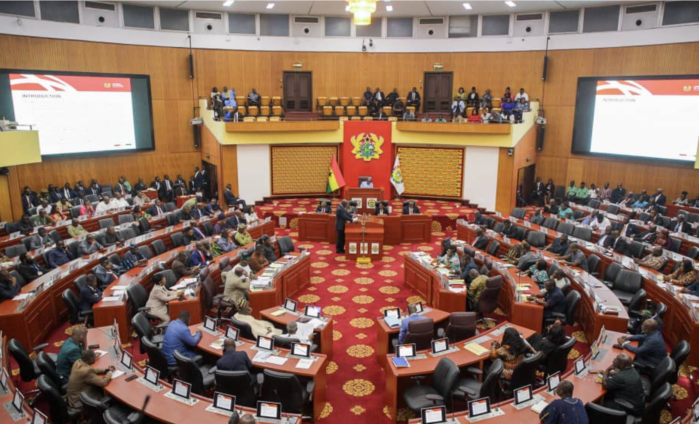

The 2025 national budget presented by the government of Ghana has renewed attention on how Public-Private Partnerships (PPPs), shifting government priorities, and proposed legislative amendments could reshape the country’s project finance landscape. Analysts say the direction outlined in the budget signals a stronger reliance on private capital to support infrastructure delivery while the state tightens fiscal discipline.
Renewed focus on PPP frameworks
One of the most notable aspects of the 2025 budget is the emphasis on expanding PPP arrangements to fund major infrastructure projects. With public finances under pressure, the government is increasingly positioning PPPs as a central financing tool for roads, energy, health facilities, and digital infrastructure.
Policy analysts say strengthening the PPP framework could help attract both domestic and international investors, particularly if regulatory certainty and risk-sharing mechanisms are clearly defined. Investors typically look for transparent procurement processes, bankable contracts, and predictable revenue models before committing funds to large-scale projects.
However, experts caution that the success of PPPs will depend on the state’s ability to properly structure deals, ensure value for money, and maintain long-term accountability. Without these safeguards, projects could face delays, renegotiations, or financing gaps.
Government priorities shaping investment flows
The 2025 budget also outlines sectors the government considers critical for economic transformation. Infrastructure, industrialisation, agriculture value chains, and energy transition projects are among the priority areas expected to receive policy backing and incentives.
Project finance specialists note that when government priorities are clearly stated in a national budget, it often influences how lenders and investors allocate capital. For instance:
Infrastructure projects may benefit from sovereign support and guarantees.
Energy and renewable initiatives could attract climate-focused funding.
Industrial parks and logistics corridors may see increased private sector participation.
In effect, the budget serves as a signal to financial markets about where future opportunities lie.
Proposed amendments to laws and regulations
Another key component highlighted in the budget is the intention to amend certain laws governing investment, procurement, and infrastructure delivery. According to policy observers, these legal changes could significantly affect how project finance deals are structured in the coming years. ⚖️
Potential impacts include:
Streamlined approval processes for large projects.
Improved dispute resolution mechanisms for investors.
Stronger oversight of PPP contracts and financing arrangements.
Greater clarity on revenue models such as tolling, concessions, or user charges.
If implemented effectively, such reforms could lower investment risks and improve Ghana’s attractiveness as a destination for infrastructure financing.
Opportunities and risks ahead
While the budget’s direction has been welcomed by many in the financial and infrastructure sectors, analysts stress that execution will be critical. Mobilising private capital requires consistent policy implementation, strong institutions, and credible governance frameworks.
At the same time, the reliance on PPPs must be balanced with fiscal prudence to avoid creating contingent liabilities that could affect future public finances.
Ultimately, the 2025 budget suggests a shift toward a more partnership-driven model of development financing. If managed carefully, this approach could accelerate infrastructure delivery and economic growth across Ghana. But experts say investors will be watching closely to see how the proposed frameworks and legislative reforms are implemented in practice.
